

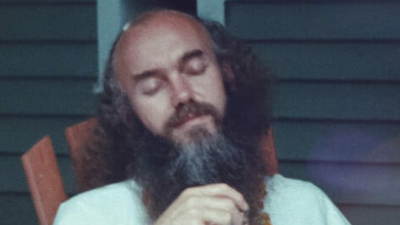
Ram Dass, who was born Richard Alpert, was a Harvard psychologist and a follower of Neem Karoli Baba, who became one of the most influential spiritual teachers of the modern era.In his discourses and talks, he encouraged people to move from an ego-driven self to just being present, love, and service. Once, he talked about the idea that real power comes when we stop chasing power, and it is more relevant than ever.Even though it sounds quite simple to be true, Ram Dass talks about a deeper truth many of us sense but rarely admit: that the more we try to control and chase a status or influence, the more exhausted and empty we feel. And the moment we loosen that grip, life often opens up in ways we couldn’t force or plan.But what does the paradox really mean?Let’s dig in to find out.
Quote of the day
The most exquisite paradox… as soon as you give it all up, you can have it all. As long as you want power, you can’t have it. The minute you don’t want power, you’ll have more than you ever dreamed possible
Ram Dass
What does the quote mean?
Ram Dass’s paradox isn’t about giving up responsibility or not being ambitious. It’s about stopping the chase and the ‘need’ to be powerful, in control, or constantly validated. When your sense of self stops depending on what you are from the outside, you become freer to act with clarity, kindness, and courage.How are Dass’s words more relevant today?We are surrounded by extremely fast-paced, digitally driven lives, and many people feel burned out by hustle culture, social media performance, and the pressure to constantly optimise life.But here, Ram Dass’s words give some relief, explaining that it is not necessary to win every room, secure every deal, or be “the most” to live meaningfully.This teaching is also relevant in leadership. Leaders who stop micromanaging and start trusting their teams often find more creativity, loyalty, and results. Influence grows when it’s not demanded but earned through integrity and care.
How to live this paradox?
Do your work well, then stop chasing the need to be seen as “the best.”Measure success by contribution, not just by titles or materialism.Practice small acts of surrender like delegating, apologising, and asking for help.