As Harry grew older, he found ways to keep himself occupied. At 20, he joined the British Army, where the demands of military life gave him something else to focus on.
“The adrenaline was the perfect distraction,” he explains.
With training, missions and the pressure of the task at hand, there was little room to dwell on his emotions. He found that he could push himself further than he had thought possible, and the rush of adrenaline became something he relied on.
But distractions can only do so much.
After returning from his second deployment to Afghanistan in 2013, Harry found himself without the same sense of purpose that had kept him going. The feelings he had pushed away began to catch up with him.
He says the trauma he experienced after returning was not necessarily tied to what he had seen in Afghanistan. Instead, those experiences appeared to trigger other painful memories that had remained buried for years.
What followed was frightening in ways he hadn’t expected.
Even something as routine as putting on a dress shirt could leave him feeling trapped. The tightening of his collar made him feel as though he was suffocating. He also began experiencing panic attacks in the car on his way to work.
Public appearances, once part of his daily life, became another source of anxiety. He worried about stepping out of the car, facing the cameras and finding the right words to say. More than anything, he feared that people would notice his distress without understanding what was happening.
“The biggest anxiety that was created for me was the fear of sweating,” he says, describing the worry that others would see him looking dishevelled and he wouldn’t be able to explain what he was going through.
For someone who had spent years trying to appear composed, the inability to control these reactions was deeply unsettling.
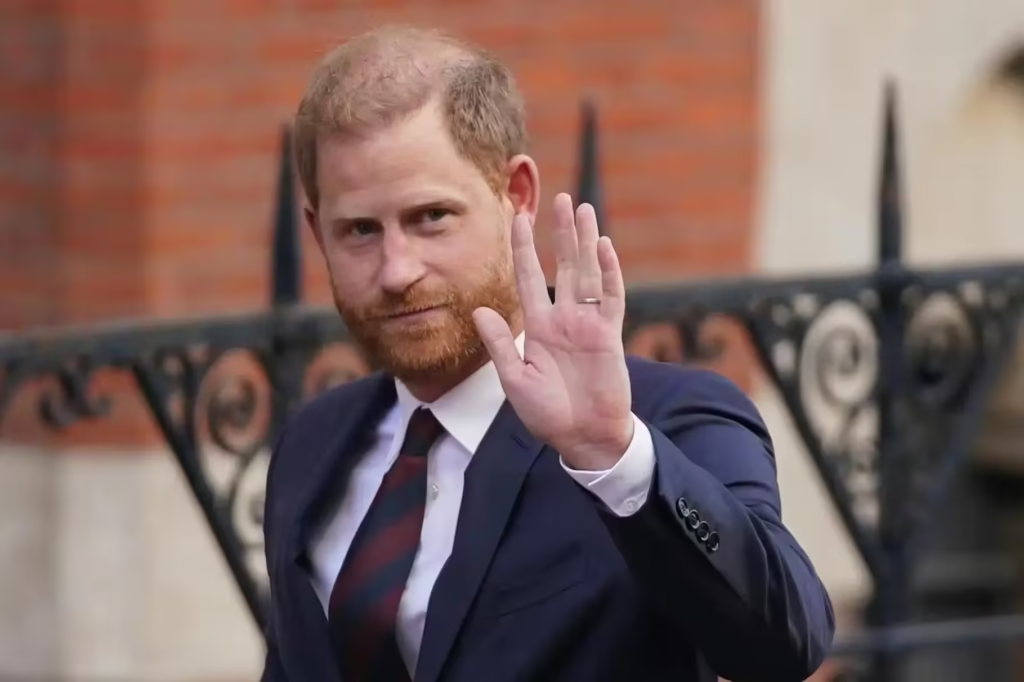
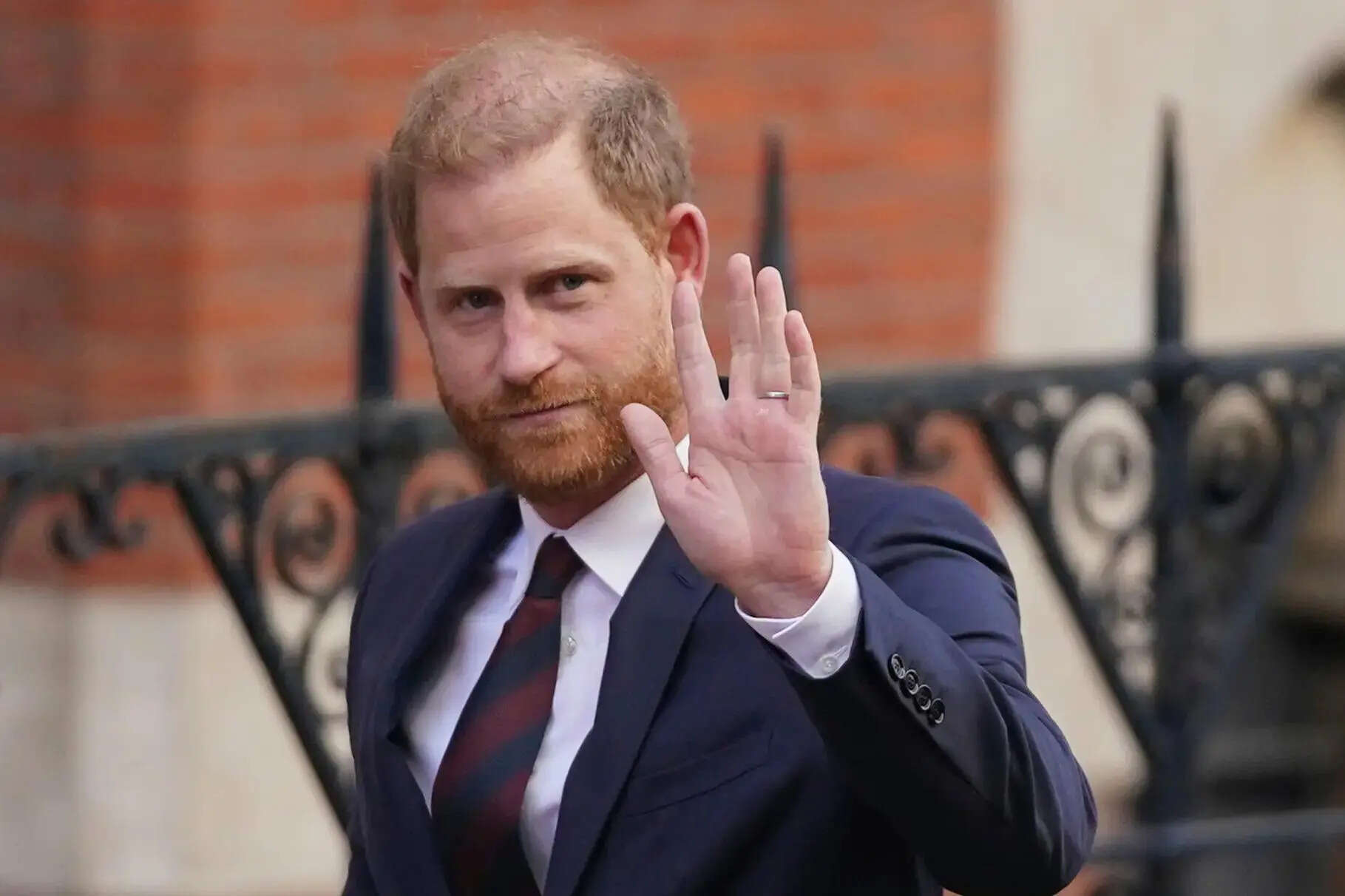
(Aaron Chown/Pool Photo via AP)