

Pablo Picasso was a Spanish painter and sculptor and one of the most recognised artists of the 20th century. He co-founded Cubism and made art that broke normal stereotypes about art, going beyond ordinary forms. Beyond art, he also talked about some profound ideas that continue to remain relevant even today.He once talked of a profound idea about two colours that seem to ‘sing’ when kept next to each other, for which he said to think of a pair of colours that just work together, like marigold garlands against a deep blue door, a red sari beside a green field, an orange sunset sinking into a purple sky. We do not need a lesson to know it was beautiful. Our eyes simply know before our minds catch up.We always look for reasons to explain things, but what if some things are naturally beautiful and go beyond explanation?Let’s dig in to find out what he means to say
Quote of the day
Why do two colours, put one next to the other, sing? Can one really explain this? No. Just as one can never learn how to paint
Pablo Picasso
What does the quote mean?
Even though Picasso’s words sound simple, they hold an example from the real world. Put yellow beside violet, and it instantly becomes attractive, as neither colour does alone. The yellow glows, the violet deepens, and the pair seems to hum. Scientists have studied this too. In the 1830s, the French chemist Michel Eugène Chevreul described how neighbouring colours change each other’s appearance. But naming an effect is not the same as explaining why one pairing feels like music.
Picasso asks whether anyone can truly explain it, and answers with a plain “No.”
The last line os his quote is the core of his message, that you can never “learn to paint” the way you learn a recipe. We learn painting by doing, getting it wrong, and looking again. He didn’t think theory was useless. Ideas like complementary and analogous colours genuinely help. He means to say that rules take you to the doorway and no further. The final decision, this blue here and not that one, comes from your eye and your feeling.His words trace back to a 1946 article by the critic Anatole Jakovsky, “Midis avec Picasso,” in Arts de France, which Dore Ashton then cited in Picasso on Art (1972).Picasso spoke mainly French and Spanish, so these wordings might vary from place to place of his remarks, but the meaning and essence of his words has hardly changed
How are his words relevant today?
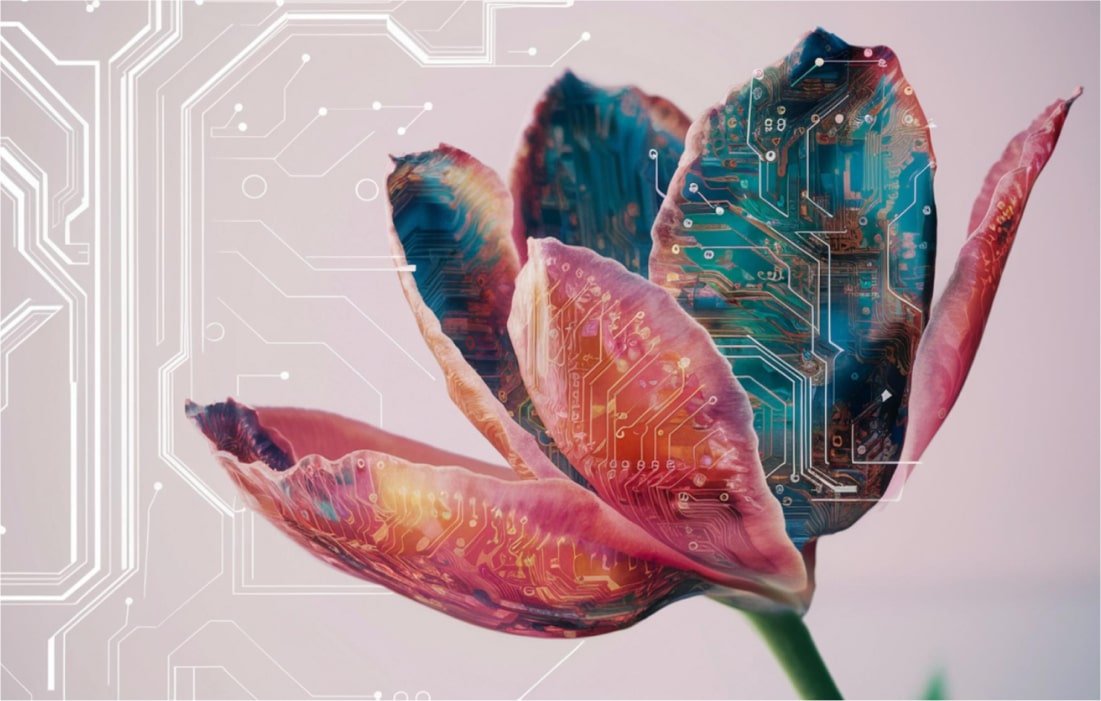
We are surrounded by tools that promise to solve colour theory for us. Palette generators suggest matching shades in seconds, phone filters repaint a photo with one tap, and AI tools produce thousands of combinations on request.These are useful, but anyone who has scrolled past a hundred technically correct designs and stopped at one knows the difference between “correct” and “alive.” Something in that one simply works, and we can’t always say why.