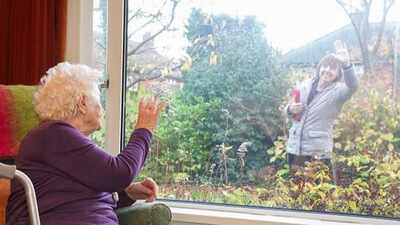
From the outside, it looks like any garden shed or backyard office. Step inside, though, and there is a cosy bedroom, a kitchen, a bathroom and a living area, all built for an 84-year-old grandmother who wanted to stay independent without living alone. Her family chose to build her a small home in their backyard instead of moving her into a nursing home, and the unusual arrangement is now getting attention online. It also points to a wider shift. As more families look for ways to care for ageing parents while keeping their privacy and dignity, backyard “granny pods” are becoming an option many are curious about.
Meet joan and her new home
According to Tips and Tricks, the grandmother, Joan, moved into the compact home after her family grew worried about her mobility and the risk of falls on the stairs in her old house. The single-storey structure is reportedly around 400 square feet and was designed to make everyday life easier. A ramp allows easy access, and the layout was planned around her needs. The idea is simple: she gets her own space and her own routine, and her family is only a short walk away if she needs help.
What exactly is a granny pod ?
A granny pod is a small, accessible home, usually built in a family’s backyard, for an older relative who wants to live close to family without sharing the main house. AARP describes them as designed for seniors who want to be near loved ones but not under the same roof. Some come with wheelchair-friendly doorways, walk-in showers and floor plans that reduce the chance of tripping. The concept is not brand new, but it has been gaining ground as families look for alternatives to institutional care.
Why more families are considering them
The appeal goes well beyond the building itself. Living nearby lets grandparents stay part of daily family life, share meals, spend time with grandchildren and get help when they need it, without feeling they have lost control of their own lives. For many older people, familiarity and independence matter as much as safety. The arrangement has also been looked at as a possible alternative to expensive assisted-living options, though costs for building and setting up such a home can vary widely and need careful planning.
Another family, another backyard
Joan’s story is not the only one. A report published by Fortune described 65-year-old Denise Martin, who moved into a 400-square-foot tiny home in her daughter’s backyard in Oregon. She said the setup let her stay close to her grandchildren while keeping a space of her own. The report also noted that rising housing costs and affordability concerns were among the reasons more families are turning to multigenerational living, with several generations sharing a plot of land, if not a roof.
It is not for everyone
Granny pods are not a solution for every family. The report notes that such homes may not suit older people who need round-the-clock medical supervision. Someone with advanced health needs may still require professional care or a specialised facility. The pods work best for seniors who are largely independent but would benefit from nearby support, safer surroundings and the reassurance of family. Families should talk openly with the older person and with their doctor before deciding whether this kind of arrangement is a good fit.
Things families may want to check first
Before building a backyard home, families usually need to look into local rules. Many areas have zoning laws, building permits and size limits for secondary dwellings, and these differ from place to place. It also helps to plan for utilities, accessibility, emergency alarms and privacy for both households. Equally important are the human questions: who will help, how often and what happens if the older person’s needs change. A frank conversation early on can save many misunderstandings later.
A home that is close, but not crowded
At its heart, the story is about keeping the people we love close while letting them live on their own terms. For Joan, that means her own front door, her own kitchen and the comfort of knowing family is nearby. For the family, it means peace of mind. Not every household can or should do the same, but the idea shows that care for older relatives can take many forms and that sometimes the best answer is a small house at the bottom of the garden.