
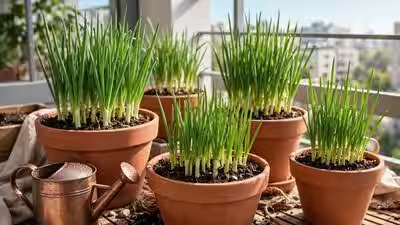
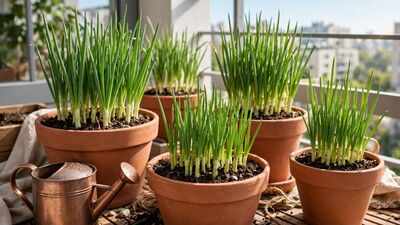
Growing onions at home does not require a large garden or specific equipment. A sunny balcony, terrace, backyard, or suitable container can provide enough space for a small crop. The key is to give the plants loose, fertile, and well-drained soil, enough sunlight, and steady moisture. Gardeners can start with onion seeds, small sets, or even the root end of an old onion, depending on the method they prefer. Containers also work well when space is limited. The planting season matters too, as onions grow best in cool conditions. With the right spacing and simple care, the plants can develop into useful bulbs for the kitchen. Here is a simple guide for planting onions at home and avoiding common mistakes.
Tips to grow onions at home from seeds and bulbs
Choose a sunny place for growing onions
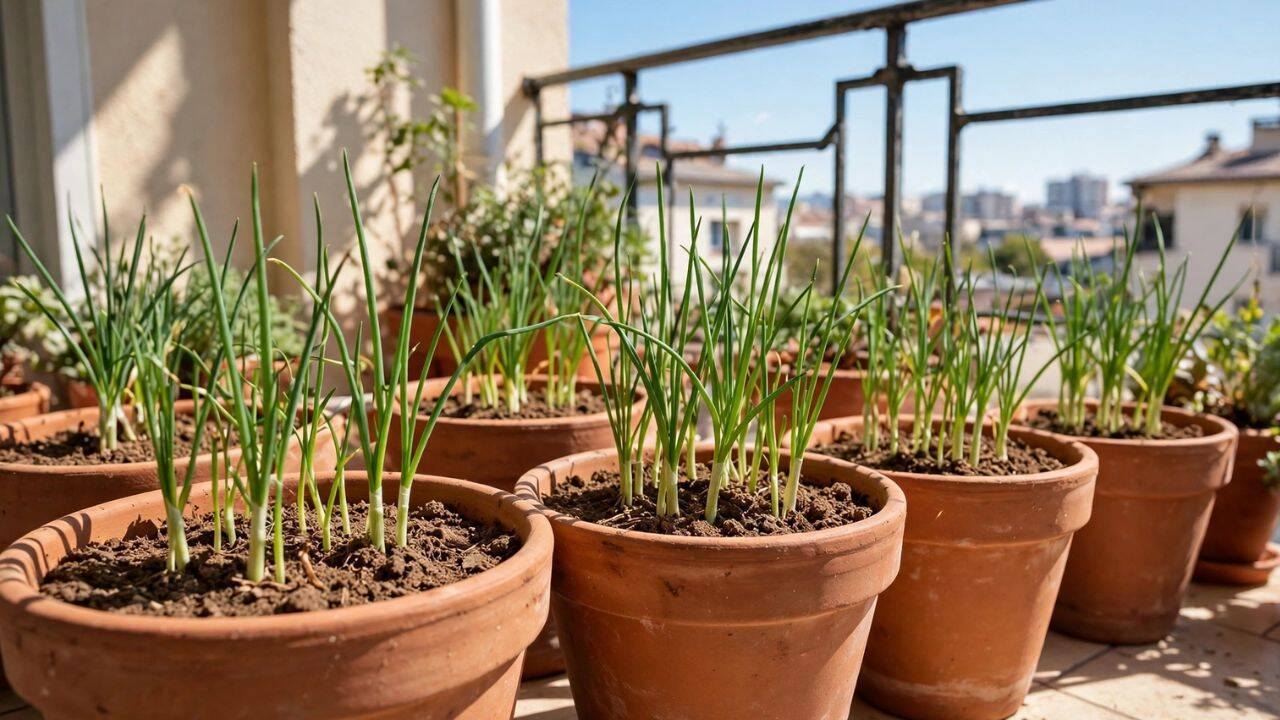
Onions need a sunny growing spot, whether they are planted in garden soil or containers. Choose an open area that receives plenty of direct sunlight during the day. Large containers can also be used when there is no garden space. The soil should be fertile that drains well so that roots have enough access to moisture without remaining waterlogged. Onions have a relatively limited root system, so improving the soil with organic matter before planting can support healthy growth.
PC: AI Generated
Grow onions from seeds or small bulbs
Onions can be grown from seeds or small bulbs known as sets. Sets are an easier and faster option because they settle quickly and need less care than seeds. Seeds require more time and attention but provide a wider choice of varieties. If using seeds, they can be sown in trays before being moved to their final growing space. One method involves soaking seeds in water for a day before draining them and leaving them in the open for two to three days before sowing.
Turn an onion root into a new plant
An onion root end left over from cooking can also be used as a base for growing another onion. Choose a container about six inches deep and fill it with soil enriched with manure and compost. Leave roughly an inch of space at the top. Place the root portion in a hole about two inches deep and cover it with soil.Water it enough to keep the soil moist. Place the container where it receives around six to seven hours of sunlight each day. The growing onion can be harvested once the sprouts reach about three inches, although leaving it longer can allow the bulb to become larger.
Keep enough space between onions
Spacing is important because onions need space for their bulbs to develop without competing closely with neighbouring plants. When planting small onion bulbs outdoors, keep about 10 to 15 centimetres between each onion and 20 to 30 centimetres between rows. More space can help the bulbs grow larger. Seedlings should also be planted about 10 centimetres apart.
Water onions carefully as they grow
Onions need consistent moisture while they are growing, particularly when they are planted in containers. Check the surface of the soil regularly rather than relying only on a fixed watering schedule. If the top layer feels dry, add water so the soil becomes moist.Container-grown spring onions also need regular watering because the growing medium can dry out more quickly. At the same time, the growing area should drain freely. The aim is to keep the soil moist without creating conditions where water remains around the roots for long periods.
Harvest onions at the right time
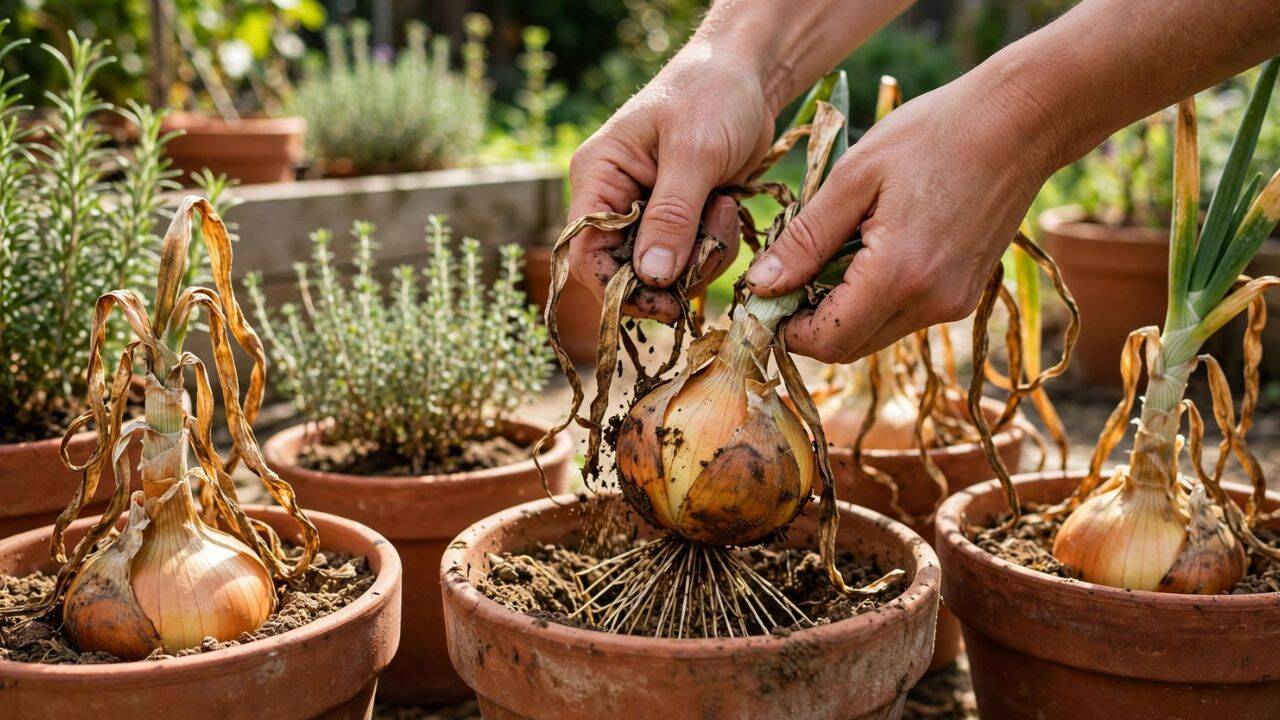
The signs of harvest depend on the growing method. For onions grown from seeds or small onion bulbs, the crop can take several months to be ready for harvest. When the tops become visible above the soil and the leaves begin to shrivel, the bulbs can be pulled from the ground. For onions grown from an old bulb, harvesting can begin once the sprouts reach about three inches, although waiting longer can produce a bigger bulb. Spring onion greens can be harvested by cutting the stems about three centimetres above the roots. These greens can grow back, allowing repeated harvesting.
PC: AI Generated
Common mistakes to avoid while planting onions at home
Do not use fresh manure
Fresh manure should not be added to the soil before planting onions. Instead, use well-rotted manure or garden compost to improve the growing medium. Organic matter helps improve soil structure while adding nutrients and supporting moisture retention. Preparing the soil before planting gives the developing plants a better environment for root growth. A fertile but well-drained growing medium is more useful than simply adding large amounts of unprocessed material.
Avoid planting in unsuitable seasonal conditions
The timing of onion planting should suit the growing conditions and the type of onion being planted. It is recommended to grow these in the winter season, although the type of onion differs. Overwintering sets can be planted in autumn, but heavy soils that become waterlogged during winter are unsuitable for this approach. Sets can instead be planted in small trays indoors and moved outside when conditions improve. Choosing an appropriate planting period helps the plants establish without exposing them to unsuitable soil conditions.
Do not plant damaged or unhealthy bulbs
Choose firm and healthy onion bulbs for planting. Avoid bulbs that are soft, rotten, mouldy, or badly damaged. A poor-quality bulb may not grow properly and can affect the plant as it develops. Check each bulb before planting and choose healthy pieces that are in good condition for better growth.
Do not plant onions in a container without drainage holes
Always choose a container with drainage holes at the bottom when growing onions at home. These holes allow extra water to escape after watering. Without proper drainage, water can collect around the roots and leave the soil too wet. Good drainage helps create better conditions for the onion roots to grow.
Do not leave weeds growing around newly planted onions
Remove weeds from around newly planted onions as they appear. Weeds can take up space and compete with onion plants for water and nutrients in the soil. Keeping the growing area clear also makes it easier to check the plants and care for them. Remove weeds carefully without disturbing the onion roots.