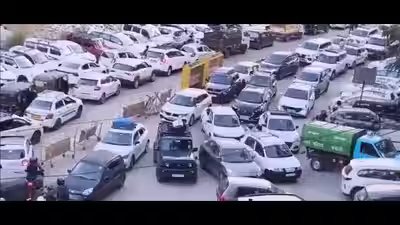
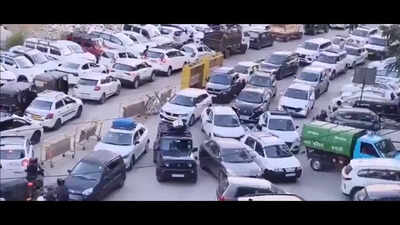
Manali was supposed to be the place to escape the noise of the city. But for many tourists who headed there over the long weekend, the first thing they found was something they were probably trying to get away from: traffic.As the three-day Gandhi Jayanti weekend brought a rush of tourists to Himachal Pradesh, Manali saw long queues of vehicles across several busy stretches. Traffic was reported from the town entrance towards Mall Road, Solang Nullah and the Atal Tunnel, with vehicles crawling along roads that are usually covered in a matter of minutes.Videos of the congestion soon made their way onto social media, showing seemingly endless lines of cars packed along the mountain roads.And it wasn’t just Manali. Other popular hill and pilgrimage destinations in Himachal Pradesh and Uttarakhand also saw a sharp rise in visitors during the extended weekend.But the Manali visuals triggered a different conversation online: at what point does travelling to the hills start hurting the very places people go there to enjoy?
‘Escape from work to enjoy weekend traffic jam’
Several social media users questioned the sheer number of private vehicles heading into already crowded hill towns.“Escape from work to enjoy weekend traffic jam and back to work. Also our govt. makes sure you don’t get enough public transport to limit cars on roads,” one user wrote.Another comment was more blunt: “Coping mechanism of Delhi NCR folks, it’s just destroying our hills.”Someone else suggested a possible way forward: parking hubs could be created in lower areas, while out-of-state private vehicles could be restricted from travelling further uphill. Tourists could then use local taxis and state buses to reach popular destinations.One user blamed the Indian work culture for the long weekend mess and his comment resonated with a lot of netizens. He wrote, “The real problem is Indian work culture. Getting leaves from your manager, organisation is a pain, majority people only live their life on weekends, long working hours on weekdays is normalised..so people end up using the long weekends for trips. Trips should bring peace not chaos.”The idea, the user argued, could reduce congestion while also creating more work for local transport operators.Another person questioned the larger culture of driving everywhere, writing: “That’s modern insanity and reflects inability to resist peer pressure of not driving to a destination. Serious thought needs to be put, collectively. Is that required?”
The traffic problem isn’t new
For Manali, this isn’t exactly a one-off problem.The town and the Manali-Rohtang corridor have faced heavy congestion during peak tourist periods for years. Earlier this year, reports of traffic jams again highlighted pressure on the roads, with authorities and local stakeholders pointing to parking and traffic management as continuing challenges.A 2026 travel guide also noted that the narrow roads, limited parking and concentration of tourist vehicles around the Manali-Solang-Atal Tunnel corridor can quickly turn busy days into major bottlenecks.And that’s the irony.People drive for hours to reach the mountains, only to spend more hours sitting bumper-to-bumper once they get there.The long weekend has once again opened up a familiar question for tourists, authorities and the tourism industry: how many vehicles can these fragile mountain destinations realistically handle before the holiday experience becomes a problem of its own?For now, the images from Manali have left the Internet asking whether the next trip to the hills really needs to begin with a car.