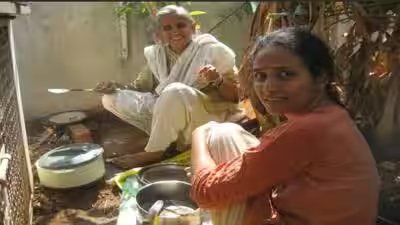
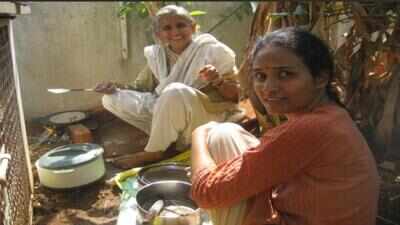
At an age when most children are busy making reels and exploring the world of social media, Visista, 20-year-old from Karnataka, had already found a favourite place to learn, her grandmother’s kitchen. She sees her grandmother Lakshmi prepare everyday meals and tries her hand at cooking and helping her. What began with an innocent curiosity about making chapatis has now grown into a passion and an effort to preserve traditional Indian recipes.Today, the young woman has documented more than 250 traditional recipes, many of which are gradually disappearing from everyday kitchens. Through her initiative, TRUE FOOD, she is bringing forgotten dishes, indigenous ingredients and age-old cooking techniques back into life and the food world.Let’s find out more about the young girl and her dreams:A childhood spent learning about recipes
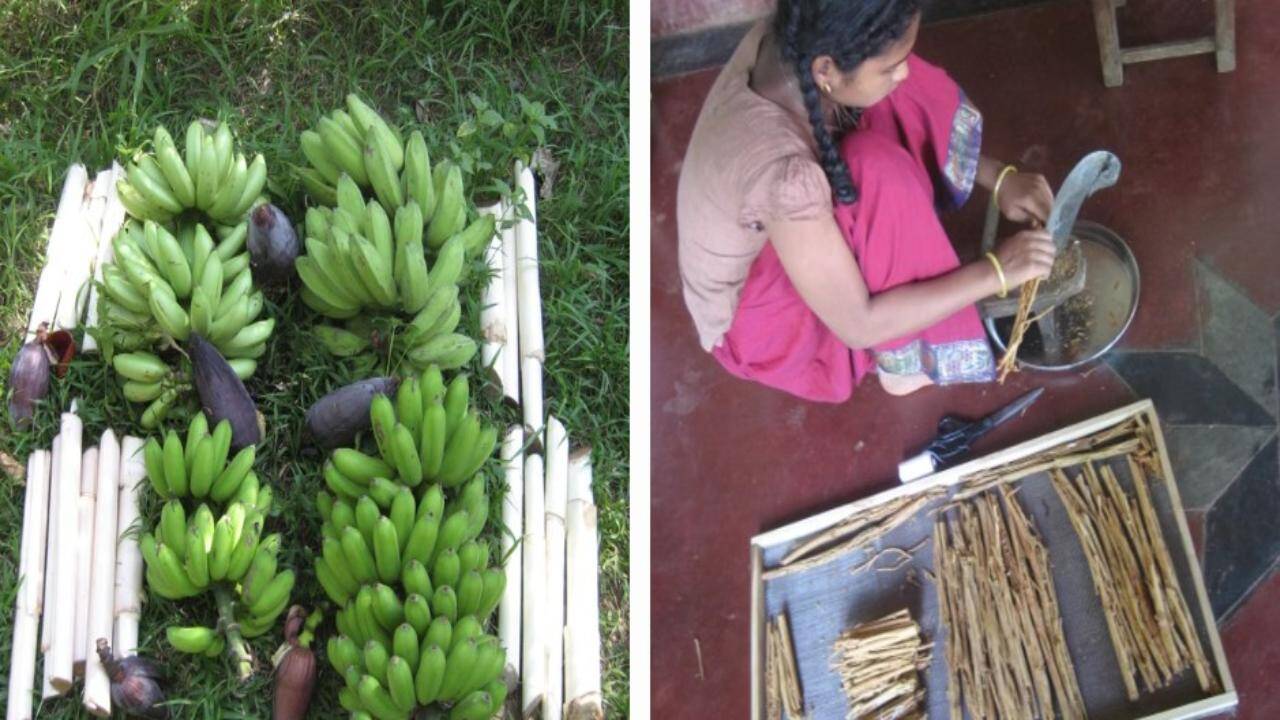
At Aikanthika Farms in Karnataka (@Aikanthika)
Visista grew up at Aikanthika, a farm in central Karnataka. Here she was introduced to a way of life closely connected with nature and traditional food practices. She got interested in cooking when she was only four. Her grandmother Lakshmi would make chapatis for lunch every day, and the little girl would watch her closely and she eventually got curious.She did not initially know how to knead the dough or make a ‘gol’ chapati. Her mother, Kruthii, and grandmother became her earliest cooking influences. The satisfaction of combining ingredients, preparing a dish from scratch and watching her family enjoy the final result made cooking particularly special to her.Started baking by 7
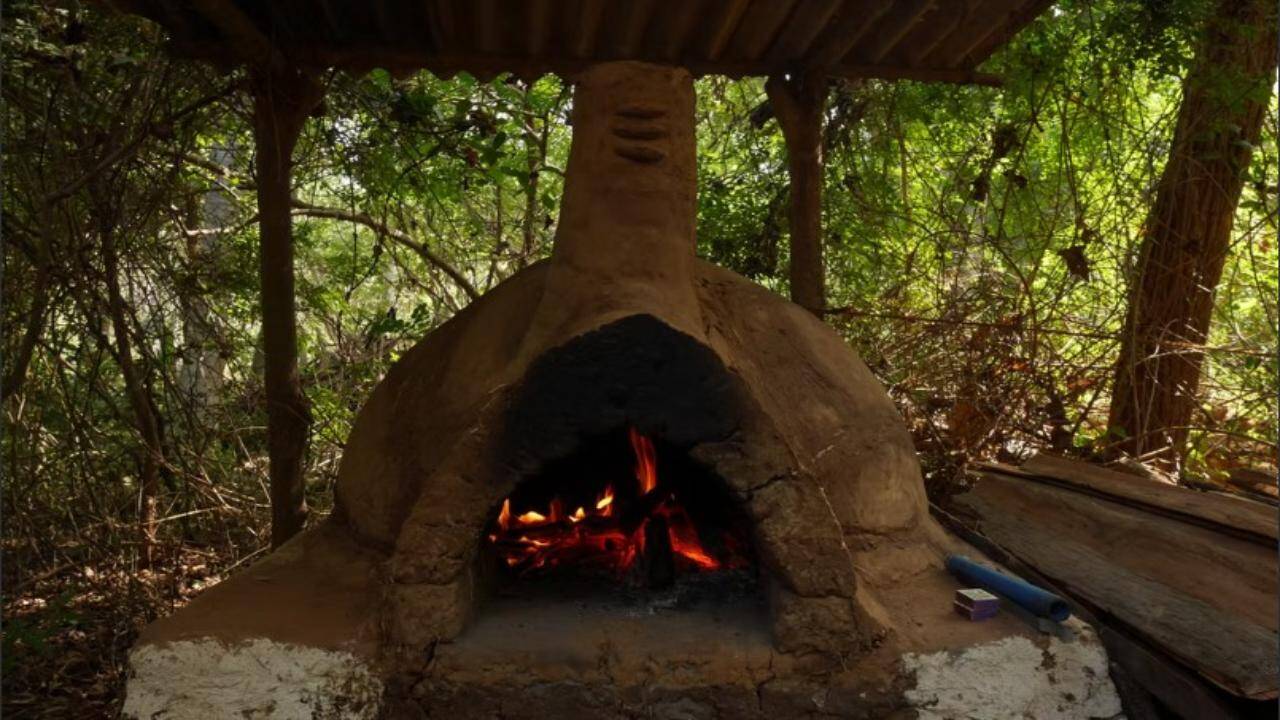
Tradional wood cooking (PC: Aikanthika)
Visista was only seven when she started baking. She would experiment with Indian sweets on the stovetop and would try baking cakes. Her interest expanded further when her family built a traditional wood-fired mud-cob oven at Aikanthika around February–March 2017.The oven opened up an entirely new world of possibilities. She began experimenting with cakes, cookies, muffins and other baked goods. However, it was not just the cooking process that fascinated her, but also wanted to know where recipes came from.An unconventional education rooted in everyday experiencesUnlike most children her age, Visista never attended a conventional school. She followed Swashikshan, a self-directed approach to learning, at Aikanthika. She never sat inside a classroom but learnt through books, the internet and conversations with her parents who encouraged her to explore cooking as a subject. Her younger brother, Varchas, 17, also grew up following the same approach.In 2018, her interest in traditional recipes got serious and she began researching forgotten dishes from India and other parts of the world.How she documented more than 250 traditional recipes
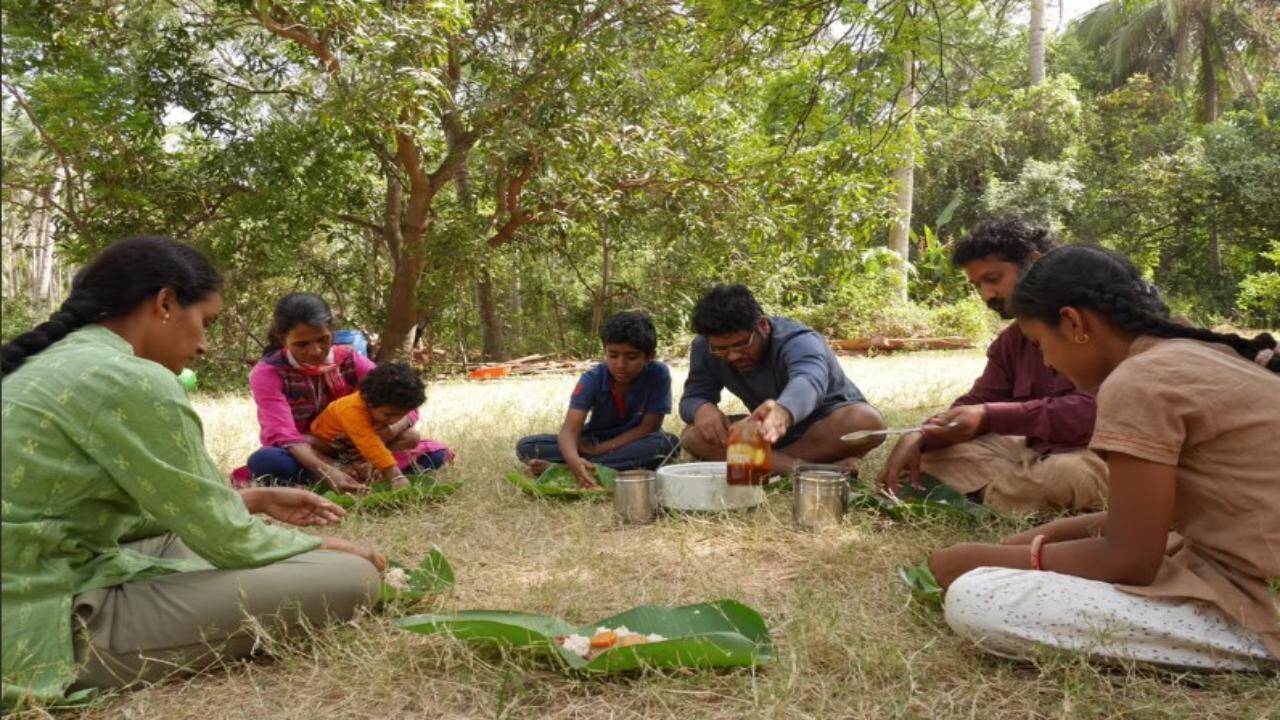
Family eating at the farm (PC: Aikanthika)
As Visista experimented with different dishes, she started recording successful recipes in a notebook. Eventually, she and her father, Raghava, decided to make this collection accessible to more people. This led to the creation of TRUE FOOD, a recipe section on the Aikanthika farm website.Her collection is not limited to recipes inherited within her family. When she visits rural areas, tribal villages or other people’s homes, she pays attention to what is being cooked.Visitors and international volunteers at Aikanthika have also contributed recipes.Once she has all the related information, she prepares the dish herself and checks its taste, texture and overall result before recording it.Replacing refined ingredients with traditional alternativesThe family avoids white flour, refined sugar, bottled sauces, artificial flavourings and packaged ready-to-use ingredients. Instead, Visista experiments with freshly milled whole grains, jaggery, unrefined oils and eggs.One of the preparations particularly close to her heart is sourdough bread and pizza made using traditional methods. Another memorable experiment was making jolada rotti, a traditional Karnataka flatbread prepared using sorghum.Keeping family recipes alive
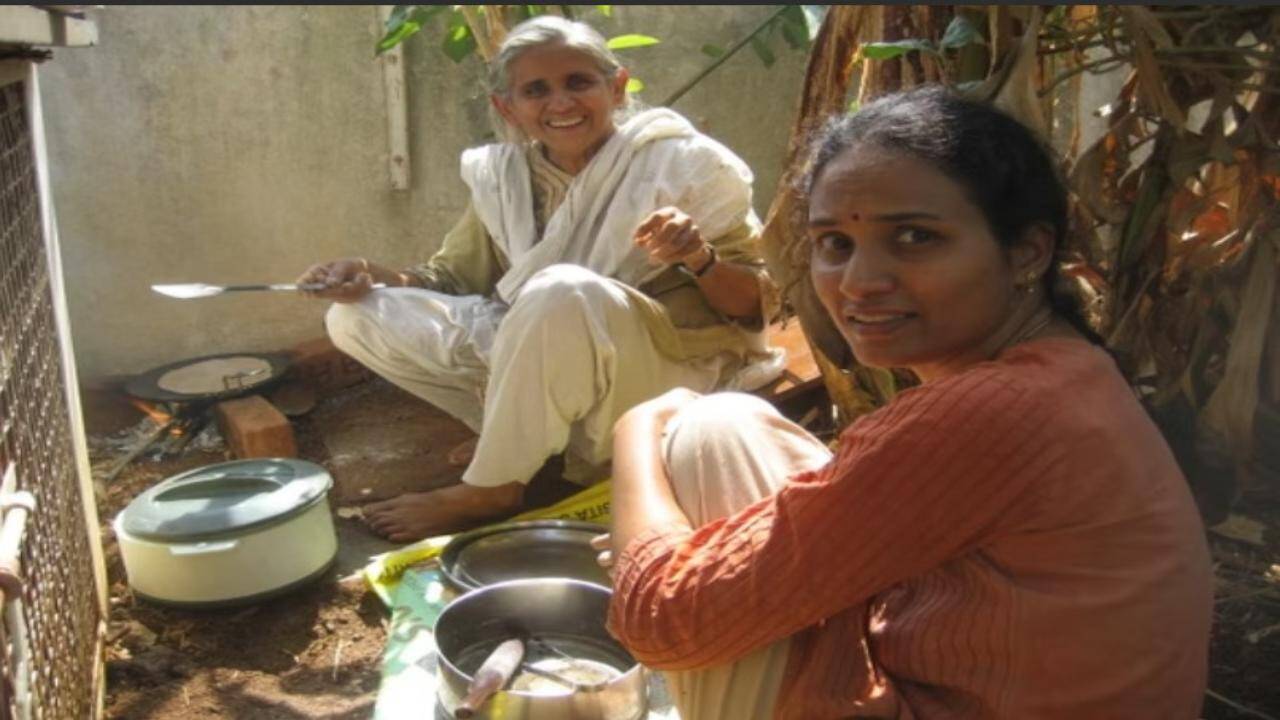
At the farm (PC: Aikanthika)
For Visista, documenting recipes is meaningful only when people actually make them. Visitors and volunteers at Aikanthika get opportunities to experience traditional cooking methods, including baking in the farm’s wood-fired cob oven.Looking ahead, Visista hopes to research recipes from more regions and cuisines and continue expanding her collection.At four, she joined her grandmother in the kitchen because she wanted to learn how to make chapatis. Two decades later, she is researching forgotten ingredients, experimenting with traditional cooking techniques and documenting recipes that might otherwise remain confined to family kitchens.For Visista, preserving that knowledge begins with something as simple as cooking a dish, sharing it with someone and ensuring that the recipe finds its way to another kitchen.