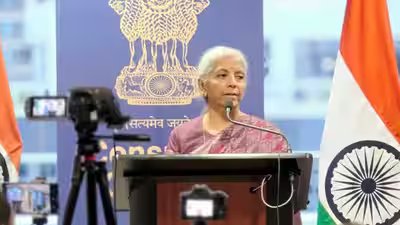
India has met its fiscal deficit target for 2025-26, Union finance minister Nirmala Sitharaman said on Sunday, asserting that the government has stayed on its planned path of fiscal discipline.“We have given ourselves a fiscal discipline path on the fiscal deficit as well. We have fulfilled the trajectory. The last mile that had to be reached by 2025-26, we have reached,” Sitharaman said while addressing the Indian diaspora in Chicago.India’s fiscal deficit stood at 4.4 per cent of GDP for the year ended March 31, 2026. In absolute terms, it was Rs 15.19 trillion, which was 97.5 per cent of the government’s revised estimate presented in February.FM Sitharaman also addressed concerns over government borrowing and debt. She said the government is targeting a debt-to-GDP ratio of 50 per cent by 2030. She compared India’s target with several advanced economies where debt levels are above 200 per cent of GDP.“The trust that the world has of the fiscal prudence of Prime Minister Modi- he was so when he was chief minister of Gujarat, he is so now, even when he is the Prime Minister of the country, the fiscal prudence shall not be compromised. As a result, credit ratings are improving,” she said.The finance minister said the government had maintained fiscal management without cutting funding for social welfare projects or public capital expenditure on infrastructure.Sitharaman also pointed to India’s economic performance after the Covid-19 pandemic, saying domestic growth had remained at 7 per cent or more despite global challenges, including the Russia-Ukraine war, tariff disputes and disruptions in the Strait of Hormuz.
Government ensured fertiliser supplies amid price rise
Sitharaman said India did not face a fertiliser shortage because the government kept the market informed about how much fertiliser it would need.“The department should be given the credit for smartly arranging fertiliser from various different routes and being able to cross the current season of crops. The forthcoming season will also require fertiliser from November. We adequately stocked for it,” she said.She said international urea prices increased tenfold after the COVID-19 pandemic, from Rs 300 per bag to Rs 3,000 per bag. The government absorbed the entire increase by providing a subsidy of Rs 2,700 per bag.She also said the government provided budgetary support after international insurance providers declined to cover vessels travelling through volatile transit corridors. The support covered higher risk premiums for shipping liners and helped ensure that imports continued without interruption.
India continues bilateral trade push
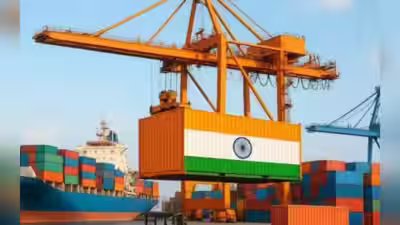
On foreign trade, Sitharaman said India was continuing to pursue bilateral trade and investment treaties with partners including the European Union, Australia, the UAE and EFTA nations, as multilateral trade frameworks were moving slowly.“So trade agreements are continuing. On a bilateral basis, we are moving with trade treaties. The multilateral treaty age has gone off,” Sitharaman stated.The finance minister is scheduled to attend G20 finance track meetings in Asheville, North Carolina, following bilateral economic dialogues in Canada.Sitharaman is in Chicago as part of an official nine-day visit to Canada and the US from August 25 to September 2. The US leg of her visit began on August 28.