

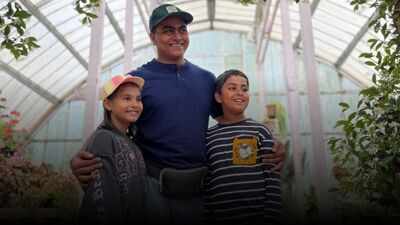
For many parents, raising children means making sure they attend school, complete their homework, prepare for exams and keep up with their classmates. But Iftekhar Ahsan and Shahira chose a different path for their 12-year-old twins, Isa and Sheherazad. The Kolkata-based parents decided not to send their children to a conventional school, choosing instead to educate them through everyday experiences, travel, sports and the internet. Their approach, known as unschooling, places greater emphasis on a child’s interests and real-world learning rather than following a fixed school curriculum. The twins have never attended school, but their parents say they are learning subjects such as mathematics, science, languages and history through activities they enjoy and experiences they encounter.For Ahsan, the decision comes from a desire to protect his children from the academic pressure that many students experience while growing up. Speaking to The Times of India, he explained that he did not want his children to feel pushed into a competitive system simply because it is considered the usual path. “I don’t want to put them into what we call the rat race,” he said. His parenting philosophy raises a question many families may recognise: does every child need to follow the same educational path to learn, grow and prepare for the future?
5 Oct 2026 | 12:06
Parents, when your child refuses to greet relatives, do you make them say hello or respect their choice?
Why the parents chose a different approach to education
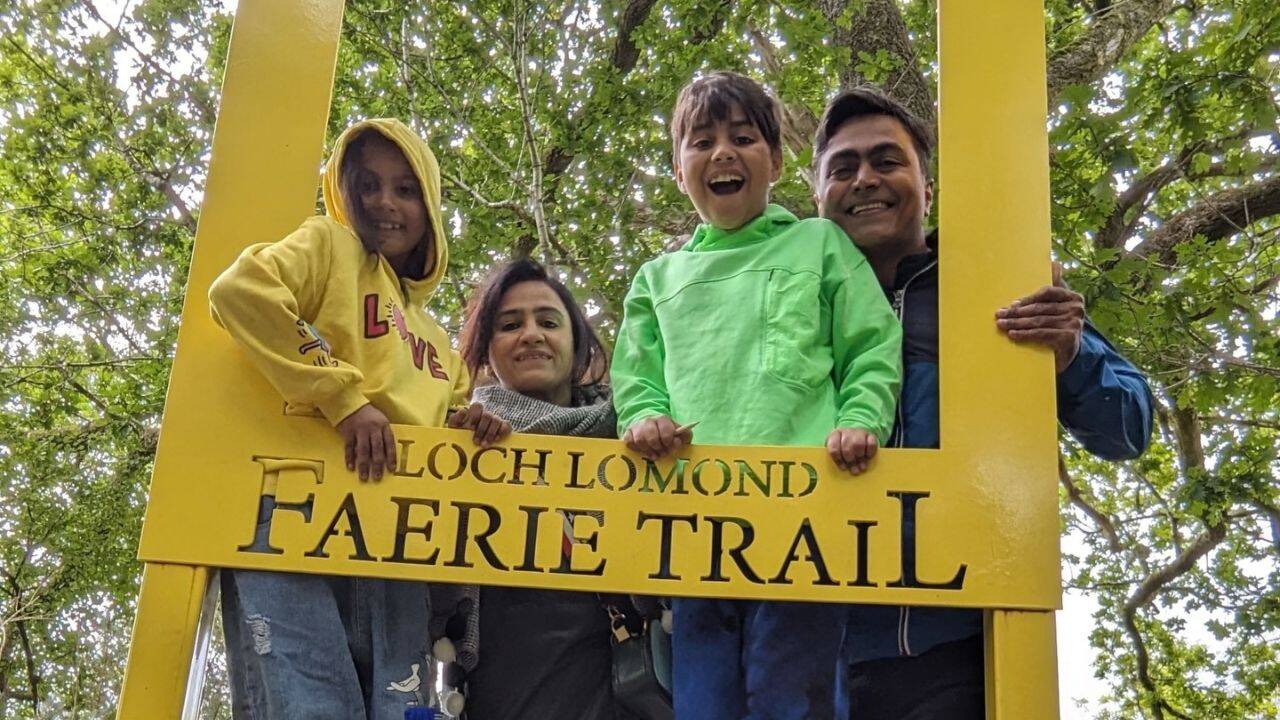
Ahsan and Shahira decided not to enrol their twins in school when they were born. Rather than relying on a classroom and a prescribed timetable, they made learning part of their children’s everyday lives. Ahsan believes that academic pressure is often treated as a normal part of childhood, even when it may leave children feeling stressed. He considers much of this pressure unnecessary and argues that parents should be open to different ways of educating young people. He compared education with healthcare, pointing out that people may explore different approaches when looking after their health instead of assuming there is only one possible solution.In the same way, he believes that conventional schooling is not the only route to education. Families can consider other approaches based on their children’s needs, interests and circumstances. The decision has not always been easy. According to him, some relatives questioned the family’s choice and thought the parents were being unreasonable. However, Ahsan said that facing difficulties does not mean they should abandon an approach they believe is right for their children. His experience highlights a parenting challenge: making a decision that differs from social expectations can require confidence, patience and a willingness to deal with criticism.
How cricket, travel and the internet become classrooms

For Isa and Sheherazad, learning does not depend on sitting at a desk for several hours a day. Their parents use activities and experiences to introduce them to different subjects. Cricket, for example, can become a way to understand mathematics. Keeping score, calculating runs and following match statistics can help children engage with numbers in a familiar setting. Travel plays a role in teaching history and geography. By visiting different places in India and abroad, the twins can encounter cultures, landmarks and locations beyond what they might see in a textbook.The internet is another important learning resource, particularly for science and general knowledge. The children also learn languages, including English and Bengali grammar, and reportedly speak Marwari. Their routine does not include the usual school uniform, daily bus journey or conventional homework schedule. Instead, their parents aim to connect learning with the world around them. This approach reflects the idea that children can develop knowledge through curiosity, observation and practical experiences. However, unschooling can look different from one family to another, and the learning opportunities available depend on the parents’ time, resources and ability to support their children’s education.
Why Ahsan believes parents should ease academic pressure

Beyond his own children’s education, Ahsan has a message for other parents who feel the pressure to ensure that their children keep up with academic expectations. “We take unnecessary pressure on us, and we give that pressure to our children that is absolutely not needed,” he said. He believes that stress can affect children’s well-being and that parents should think carefully about the expectations they place on them. His advice is not to ignore education but to question whether constant pressure is always necessary for children to learn and develop.For many Indian families, school performance is closely linked to future opportunities. Marks, entrance examinations and competition for college places can make parents anxious about whether their children are progressing quickly enough. Ahsan’s perspective challenges families to consider whether this anxiety sometimes becomes a burden that children are expected to carry.At the same time, unschooling requires careful planning. Parents need to consider how their children will develop foundational skills, access learning resources, assess their progress and pursue further education or qualifications if they choose to do so.
Socialising and growing up beyond school

One common concern about children who do not attend school is whether they will have enough opportunities to make friends and socialise with others their age. Ahsan said his children participate in sports, where they meet and interact with other children. He believes that socialising with peers is important and argues that children who learn outside school can still build friendships and share interests.He also pointed to the role of the internet in giving children access to information and ideas that may otherwise be discussed in classrooms. In his view, children who attend school and those who do not can have many interests and experiences in common.Ultimately, Ahsan and Shahira’s choice reflects a different way of approaching parenting and education. Their experience does not mean unschooling is the right option for every family, but it offers a reminder that parents can examine their assumptions about learning, childhood and success. For Ahsan, the central aim is to give his children room to learn without feeling trapped in the “rat race”. His message to other parents is to consider whether the pressure they place on themselves is being passed on to their children and whether a more flexible approach could help their family.