Jamnagar in Gujarat became famous for a high-class wedding recently, with the presence of Indian and global celebrities. But, it should be known for this pristine site that holds devotional contributions from thousands of people. You may have attended a number of religious chantings and devotional singing sessions, but the one happening at the Bala Hanuman Temple in Jamnagar is somewhat special. For more than six decades, a simple prayer has continued day and night at this temple. There are no grand performances or elaborate spectacles here; just generations of devotees keeping a promise, one chant at a time.Located on the southeastern side of Ranmal Lake, also known as Lakhota Lake, the temple is dedicated to Lord Hanuman and is widely known as Shri Bala Hanuman Sankirtan Mandir. The temple seems like a divine site in the early evening and during sunset.
How did this temple gain fame?
The first thing you notice when you enter this temple is a sound. It is the steady rhythm of devotees repeating the chant, “Shri Ram, Jai Ram, Jai Jai Ram.” Step inside, stay for a few minutes, and you begin to understand what makes this modest temple so remarkable. This chant has continued without interruption since August 1, 1964.
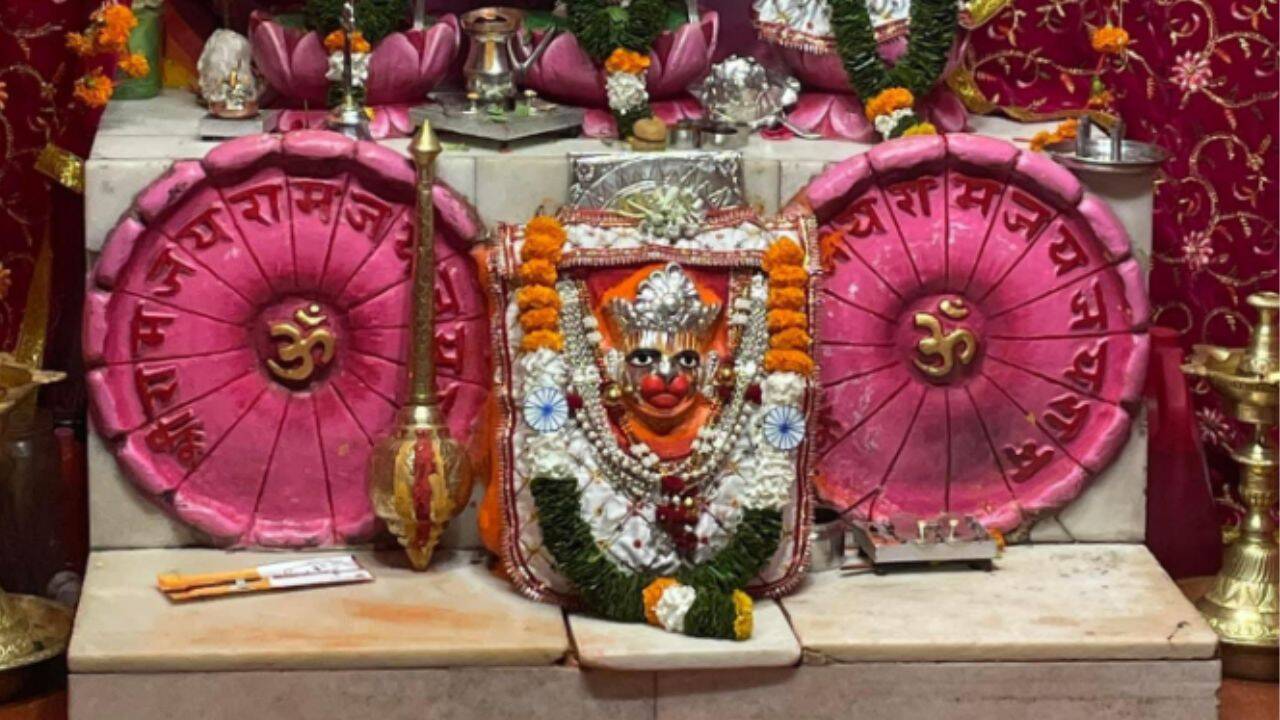
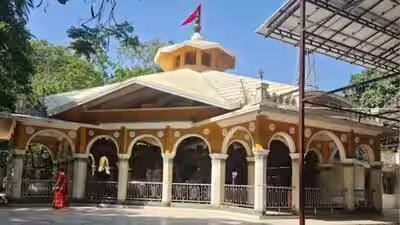
Bala Hanuman Mandir, Jamnagar (Image Credit: ourtemples.info)
This incredible devotion has also earned the temple a place in the Guinness Book of World Records for its continuous chanting tradition. The “Ram Dhun” has continued for more than six decades, day and night. Devotees keep taking turns to keep this sacred tradition going 24 hours a day, seven days a week.That means the prayer has carried on through changing generations, ordinary afternoons, restless nights and moments when the world outside has been anything but predictable. While cities grow and familiar landmarks change, the voices inside this temple keep returning to the same words. It is an extraordinary feat of devotion, but also one of commitment and careful coordination.
A prayer that passes from one voice to another
The origin of this tradition goes back to saint Prembhikshuji Maharaj, who established the temple and began the continuous Ram Dhun with his followers in 1964. Since then, devotees have taken turns chanting throughout the day and night, ensuring that the dhun does not fall silent.
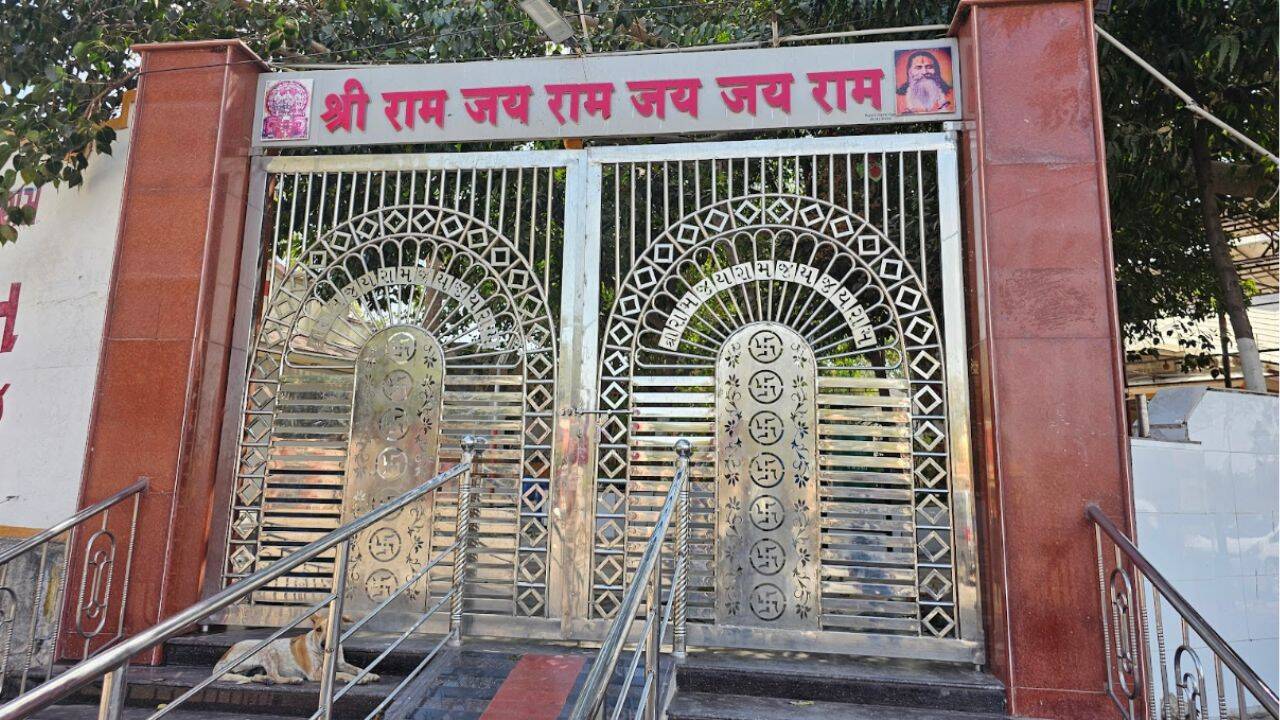
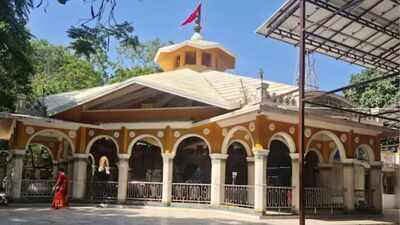
Bala Hanuman Mandir, Jamnagar (Image Credit: ourtemples.info)
The story of devotion is truly human in the end, as no single person could keep the chanting going around the clock, day after day, for decades. It has only been possible because people share the responsibility. One devotee takes a turn, another steps in, and the prayer continues.
Significance of the chant
For many devotees, chanting Ram’s name is a way to seek inner peace, strength and spiritual focus. Its repetition creates a steady rhythm that can help quiet everyday distractions and keep attention centred on prayer. These are spiritual beliefs and personal experiences rather than guaranteed outcomes.Ultimately, the chant’s significance lies in its simplicity: a few words, repeated with faith, become a lasting expression of devotion. At Bala Hanuman Temple, that devotion is sustained not by one voice, but by generations of people who take turns keeping the prayer alive.
More than a world record
It would be easy to visit Bala Hanuman simply to see the place associated with a Guinness record. But the experience is less about ticking off an unusual attraction and more about spending a little time listening.Veteran actor Anupam Kher visited the temple during his 21 Hanuman Mandir series and took to Instagram to share his thoughts on the temple: “Established by the great Prem Bhikshu, in this venerated temple, Bajrangbali still sits in his childhood form. The rich history of this temple, and its great importance will ignite your religious, spiritual sentiments.”The words themselves are simple: “Shri Ram, Jai Ram, Jai Jai Ram.” Repeated again and again, they become more than a phrase to hear in passing. For devotees, the Ram Dhun is an expression of faith and remembrance.
A lakeside stop in Jamnagar
The temple’s location makes it easy to combine a visit with a walk around Lakhota Lake. The waterside setting offers a different pace from the busy streets of Jamnagar, particularly in the early evening, when locals come out to stroll and the area becomes livelier. Across the water stands Lakhota Palace, another landmark to browse through.